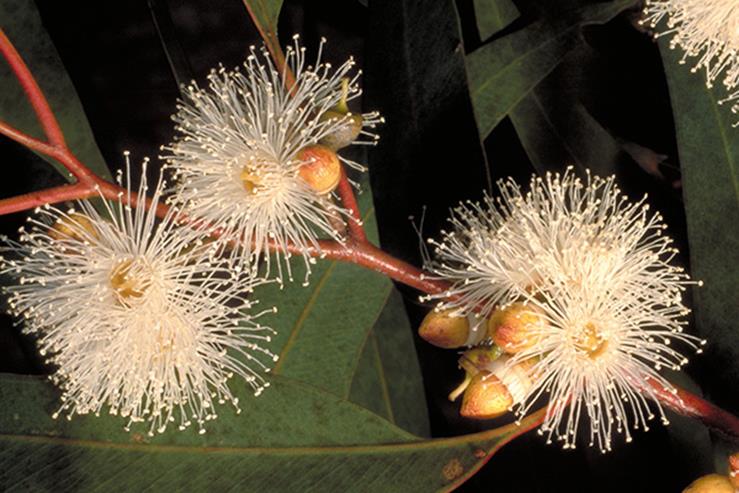
Author: admin
-
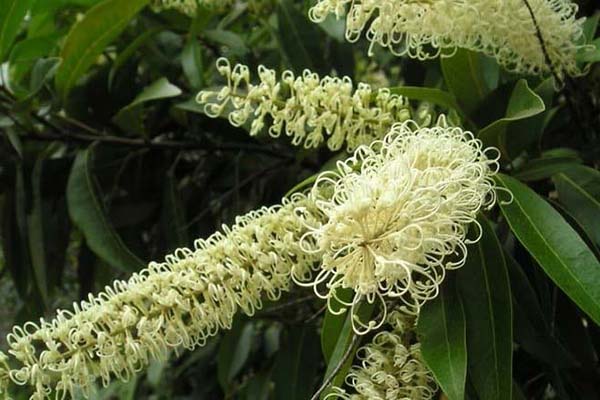
October 2018
A Quest for Survivors – A Five-Year research project, Which Plant Where, aims to identify species that can cope with climate change.
-
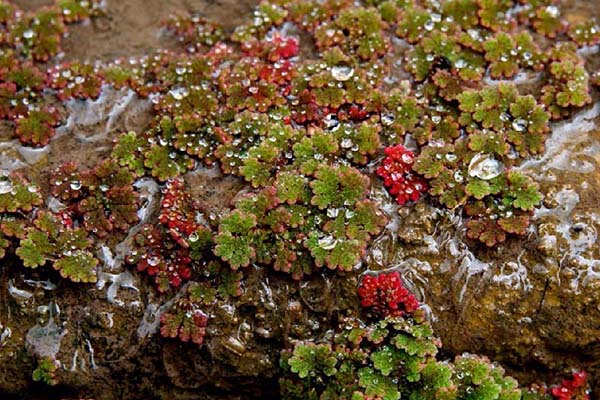
September 2018
Miniscule Fern’s History Gives Promise – “In general, insects don’t like ferns, and scientists wondered why,” said Li, who explained that one of the fern’s genes likely transferred from a bacterium. “It’s a naturally modified gene, and now that we’ve found it, it could have huge implications for agriculture.”
-
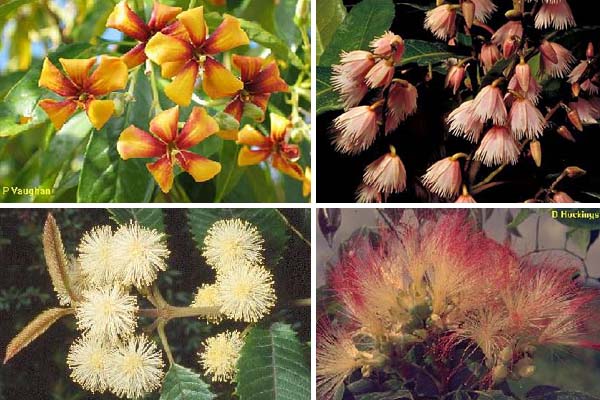
August 2018
The Rainforest: Yes, it can be Copied – Who, having ventured deep into a rainforest for the first time, could fail but be captivated by the sheer overwhelming power of the scene, even sensing a feeling of oppression as the abundance of life forms closes in around one.
-
July 2018
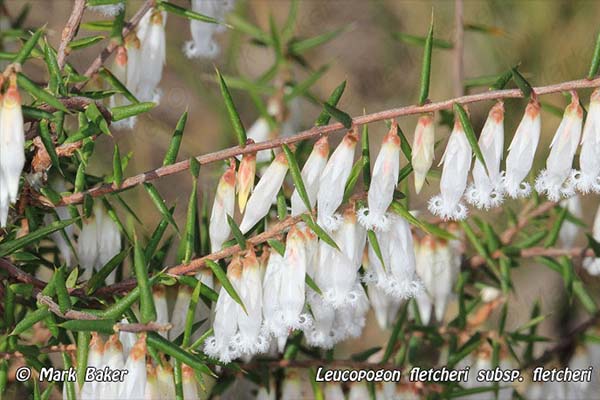
Let’s adopt a threatened plant species – There is a suggestion that our group might like to “adopt” a threatened native species in our area and engage in activities to promote its awareness, propagate it and perhaps help to improve its population in the wild as well.
-
June 2018
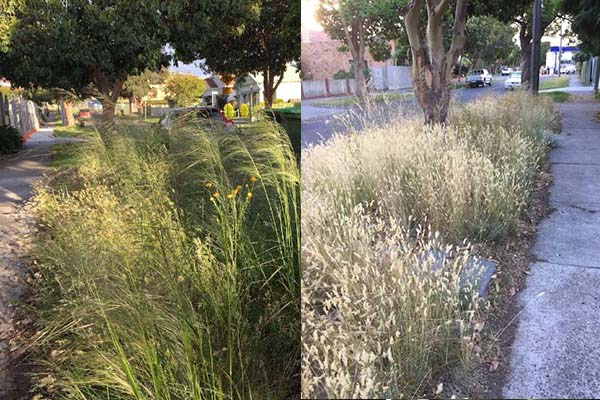
How to grow a native Australian grassland – In Australia we have an ecotype that beautifully mimics a prairie-style sensibility – our own native grasslands – once biodiverse wonders that blanketed vast swathes of temperate regions throughout the southeast of our continent.
-

May 2018
Creation of Barangaroo Park – Before 1788, Barangaroo Park was a rocky headland, named after the wife of Benelong, for whom the site of the Sydney Opera House is named.
-
March 2018
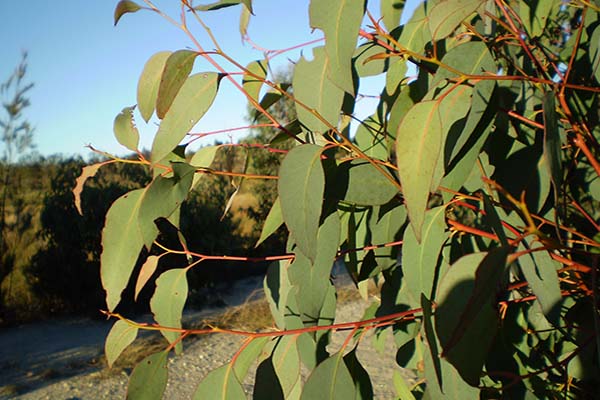
Eucalyptus olida – Strawberry Gum and Forestberry spice. Although its habitat is restricted to the NSW northern tablelands where it is a threatened species, it is now becoming more common in plantation cultivation because of its essential oil and spice qualities.
-
February 2018
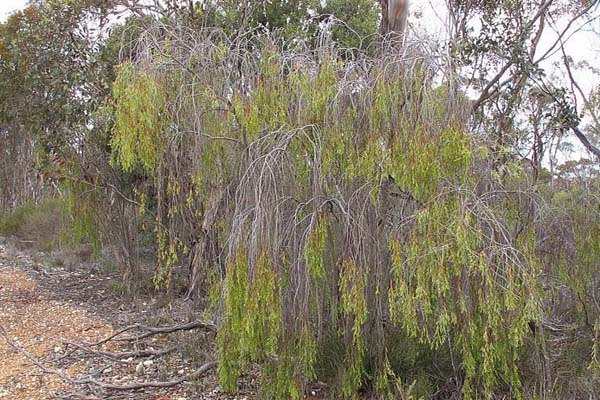
The Quandong – a Bush Tucker Food. Sometimes called a ‘native peach, Quangdongs grow in Australia’s semi-arid regions and were prized by Indigenous Australians not only for the tart flesh but also the medicinal properties of its leaves and nuts.
-
January 2018
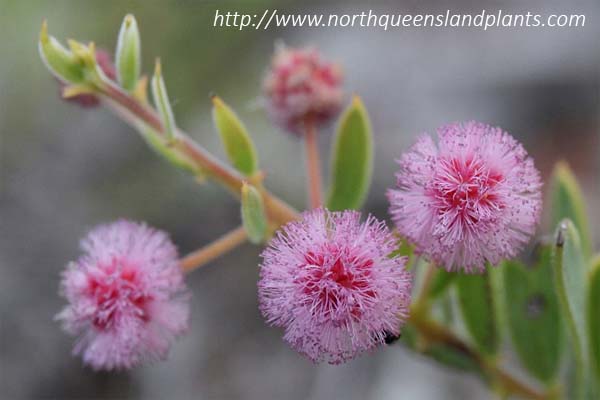
Studying the critically endangered Purple Wattle – it’s the only Australian wattle with purple flowers in fact! It has a restricted distribution in north Queensland, growing in the Atherton to Mt Garnet district. Acacia purpureopetala is listed as critically endangered and is one of the Australian Government’s 30 priority threatened plant species.
-
December 2017
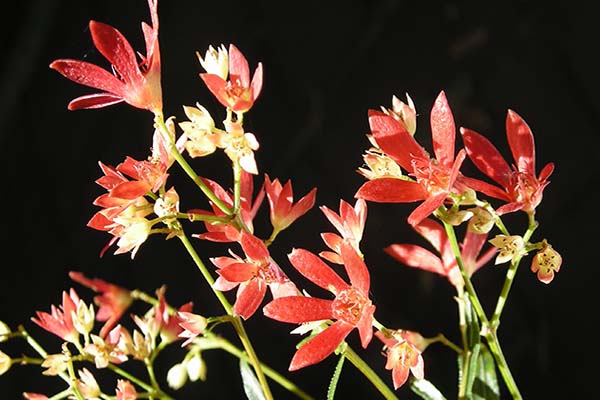
NSW Christmas Bush – A few facts. Towards the end of December this hardy and reliable plant puts on a great display of red ‘flowers’ that I admire so much – however all is not what it seems. The true flowers are white in colour and fairly insignificant and are seen in late spring to…
-
November 2017
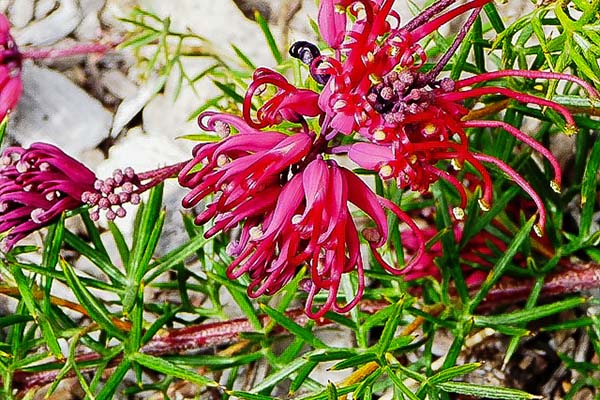
Grevillea acropogon – from the Jarrah Forest in the southwest corner of Western Australia. The species is extremely rare and at one stage the wild population was reduced to 53 plants. In 2009 150 seedlings were introduced to a new site.
-
October 2017
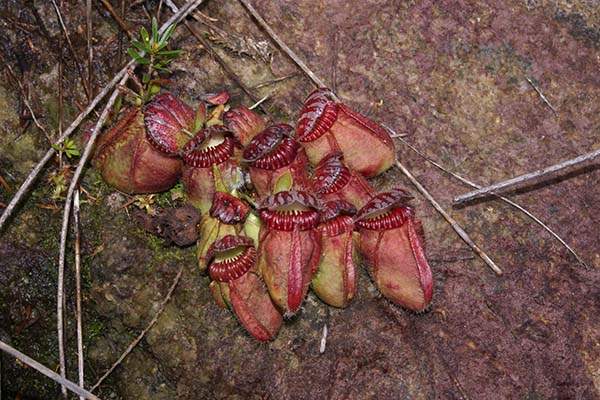
Australian Carnivorous Plants – Carnivory appears to have evolved in at least six different lineages and it is found in 11 different plant families, in 18 different genera and approximately 800 species worldwide. South-western Australia is the epicentre for evolution of carnivorous plants with approximately 250 species from five families and six different genera.

More Calgaroo Issues

Our Logo
Our Group’s floral emblem is Eucalyptus parramattensis. One of its common names is the Calgaroo, a name we have taken for our monthly newsletter. It is also called the Parramatta Red Gum.